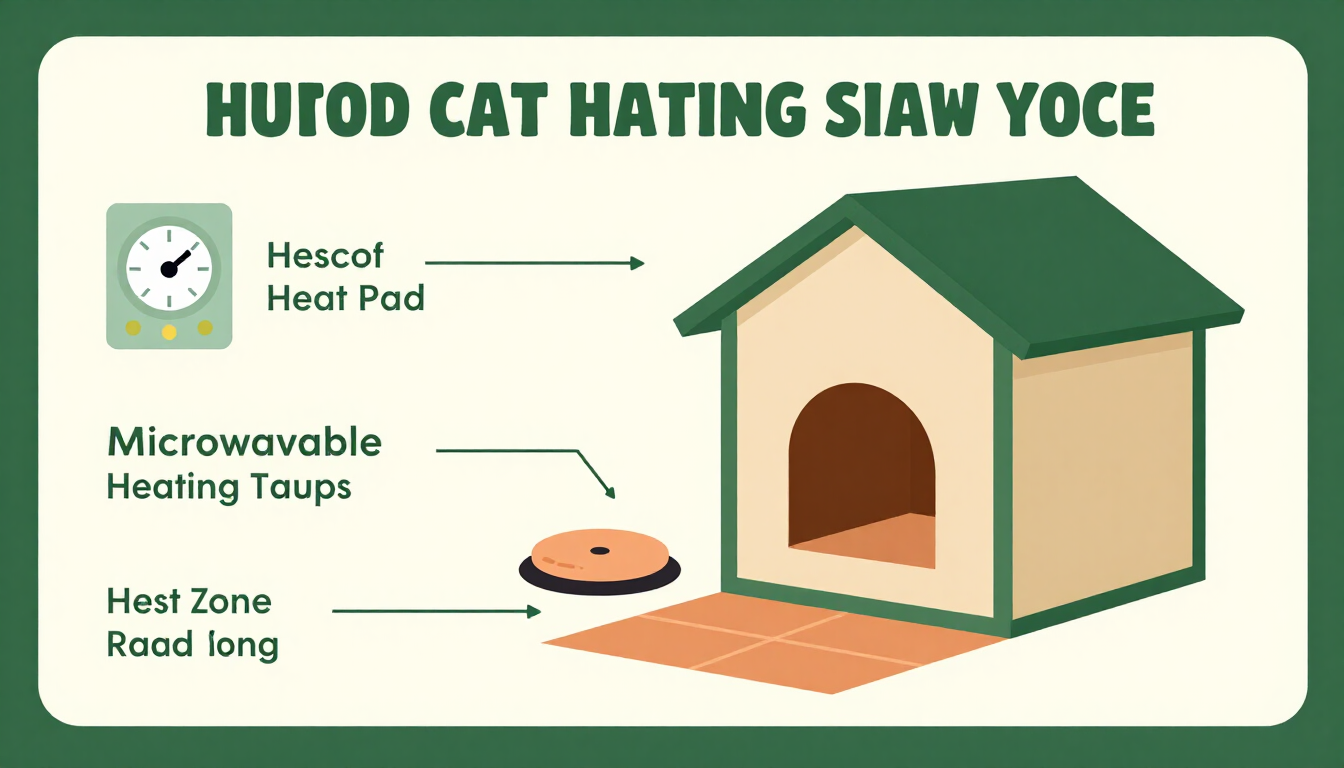
Winter Supplies for Feral Cats
One seasonal checklist you can print and share with helpers before the first hard freeze.
The problem
Winter failures cluster: frozen water, wet bedding, collapsed roofs, and underfed cats burning calories to stay warm.
What we have learned in Wurtsboro
On Wurtsboro Ridge, winter is not theoretical. We restock straw, verify water, and walk shelter exteriors after storms. The cats who make it through are the ones whose dens stay dry and whose caretakers did not skip a week.
Bedding & structure
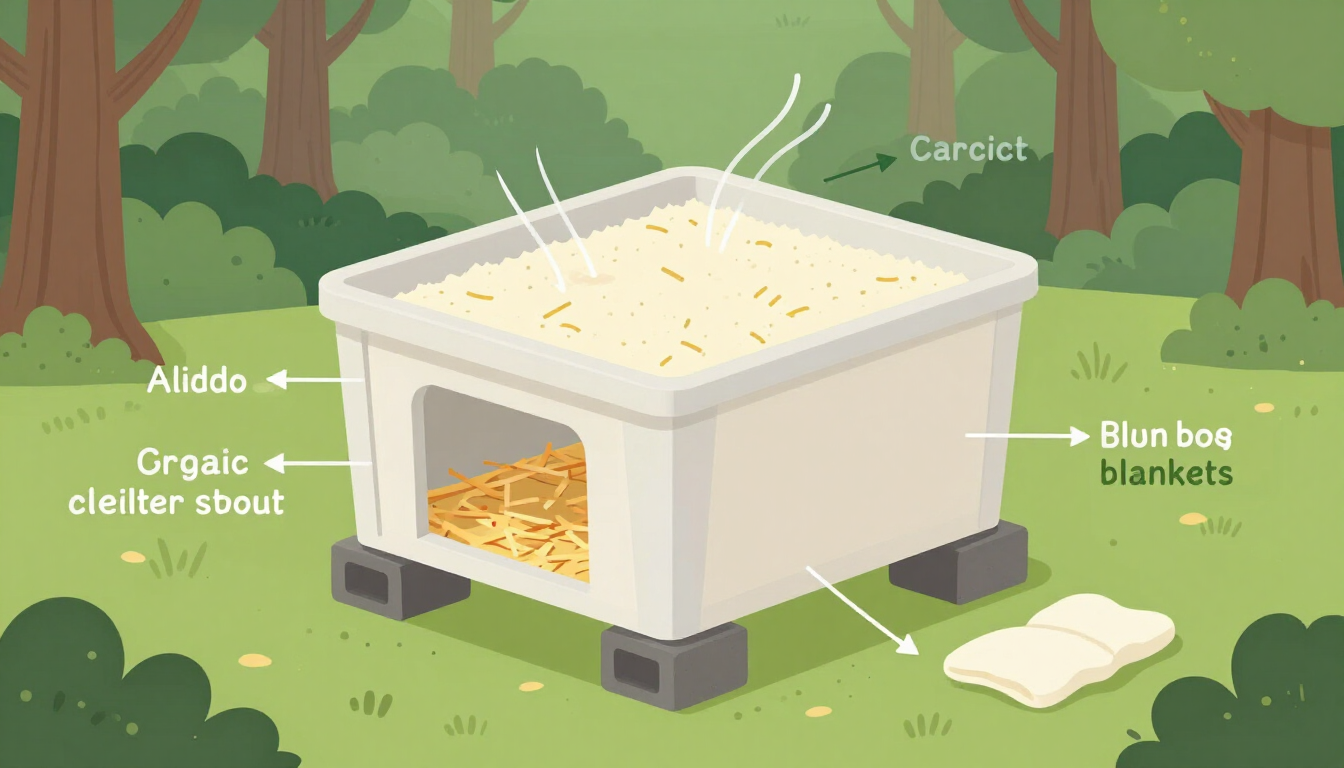
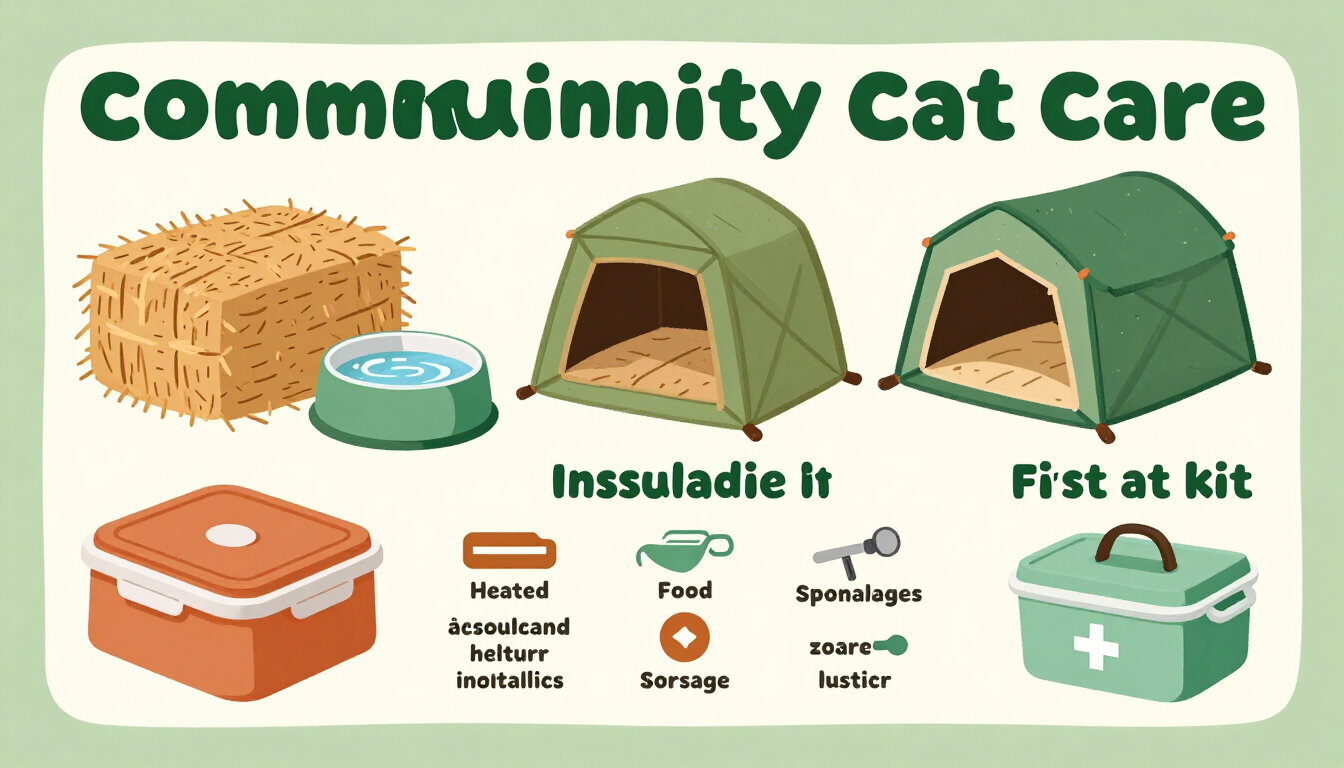
Straw bales, foam scraps, zip ties, repair tape, and a plan to shovel roofs. Replace soaked materials immediately after thaws.
Water systems
Heated bowls where power exists; otherwise multiple daily warm-water swaps. Bowls in the sun still freeze hard by night on the ridge.
Food buffer
Store extra sealed food before storms. Slightly increase portions in sustained cold. Wet food helps hydration when managed so it does not freeze solid in the bowl.
Health watch
Limps, weight loss, and cats missing from the group den need faster response in winter. Cameras and consistent feeding times are diagnostic tools.
Field tips
- Do a full gear audit in autumn — not during the first ice storm.
- Share this checklist with anyone who covers feeding when you travel.
- Prioritize water and dry dens over decorative upgrades.
See the method
One external educational video we trust on this topic — embedded only because it teaches a skill covered above.
How to build a winter shelter for community cats
A clear, affordable winter shelter build used by community cat caretakers nationwide.