Outdoor Cat Shelter Supplies
A practical packing list for outdoor shelters — drawn from the shelters we have built and rebuilt for five outdoor cats on our Wurtsboro property.
The problem
Cold, wind, and wet ground defeat a poorly built shelter faster than most people expect. Blankets freeze. Floors on bare earth wick heat away. Wide doorways turn a house into a wind tunnel.
What we have learned in Wurtsboro
Over nearly ten years caring for Mama, Batman, Flipper, Baby, and Robin, we have built multiple shelters on our property. The setups that last share the same bones: raised floor, small offset door, rigid foam, and straw — never hay, never soaked fabric.
Core structure
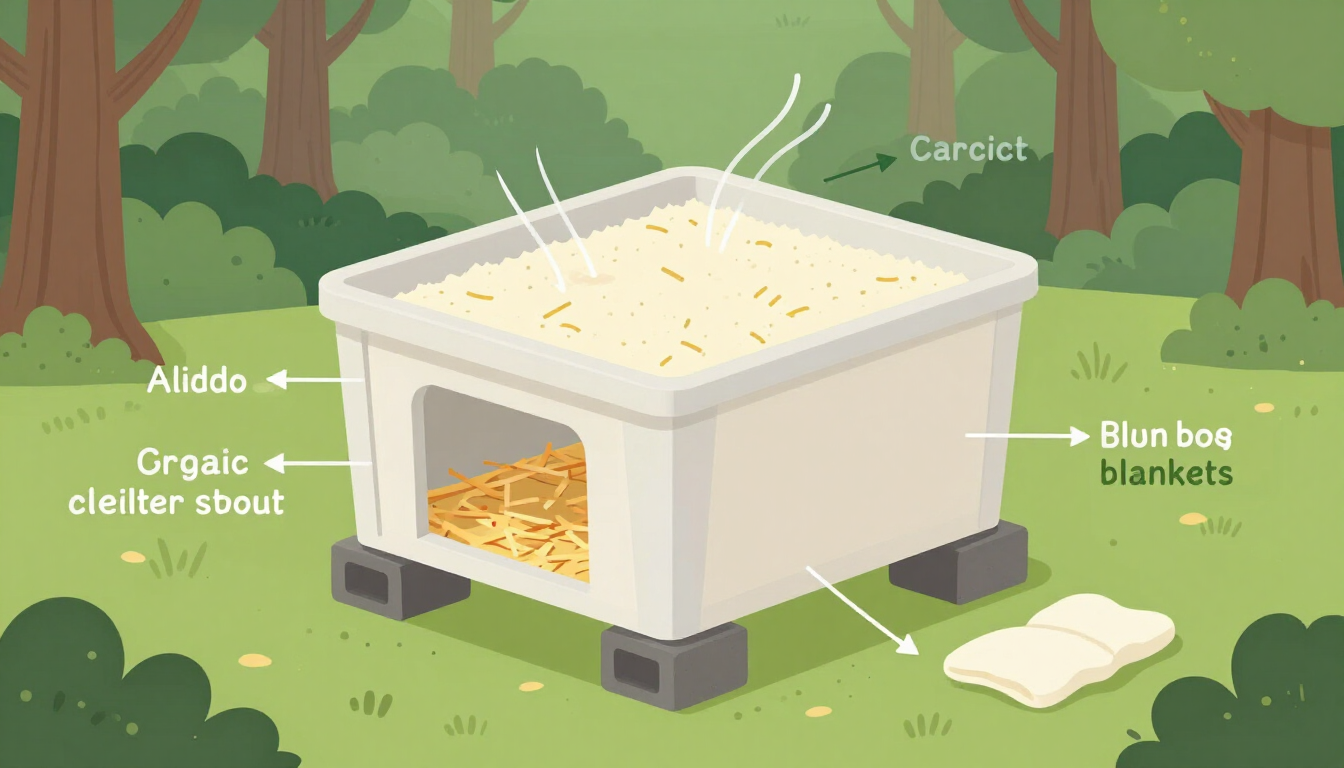
Start with a weatherproof shell large enough for two to three cats to share body heat, but not so large that heat dissipates. Plastic totes, insulated commercial houses, or a small greenhouse-style enclosure all work when the interior is lined and the floor is off the ground.
Insulation that actually holds heat
Rigid foam board on walls and floor traps body heat. Straw (not hay, not blankets) fills the sleeping area: it stays lofted when damp and does not freeze into a solid slab the way fabric does after a wet night on the ridge.
Doorway and wind
One small entrance, faced away from prevailing wind, keeps heat in. A second tiny escape hole helps if wildlife or a dominant cat blocks the main door. We learned the hard way that an open-front design fails the first real Catskills gust.
What to keep on hand
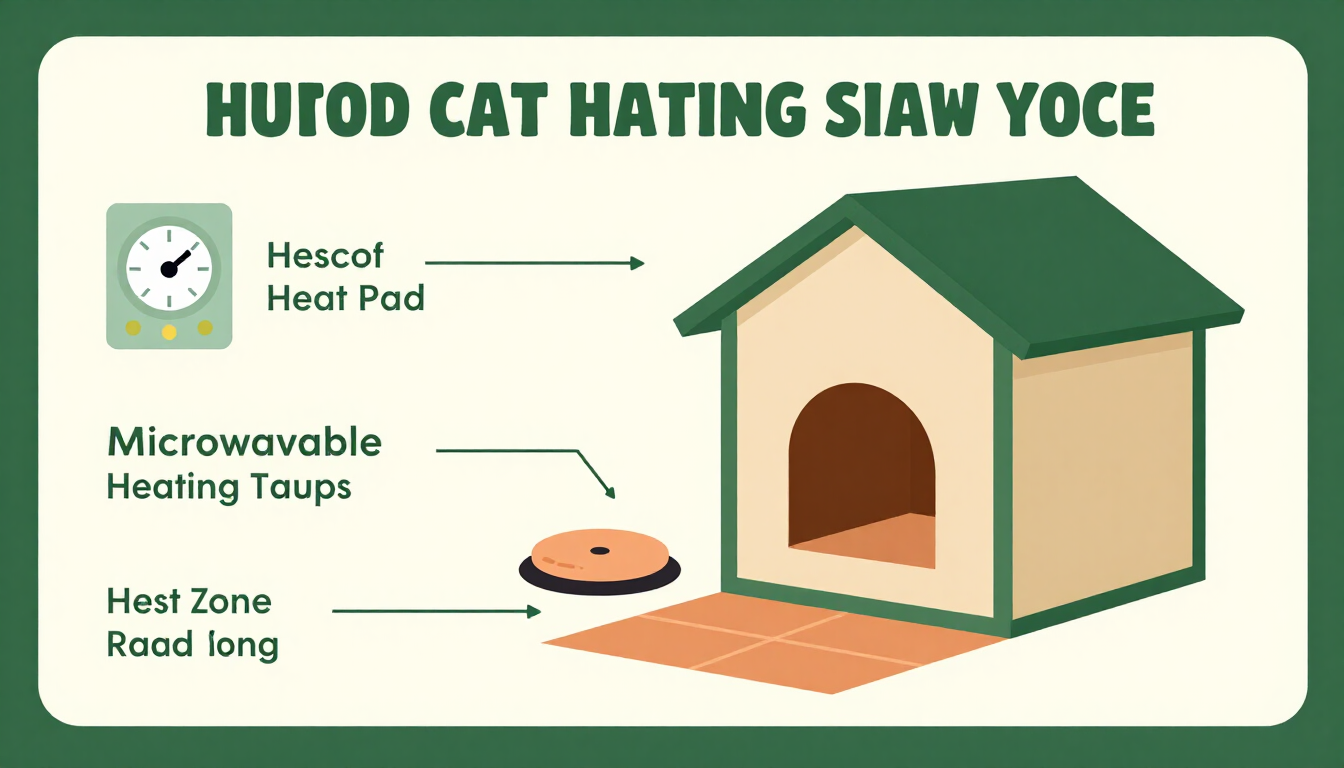
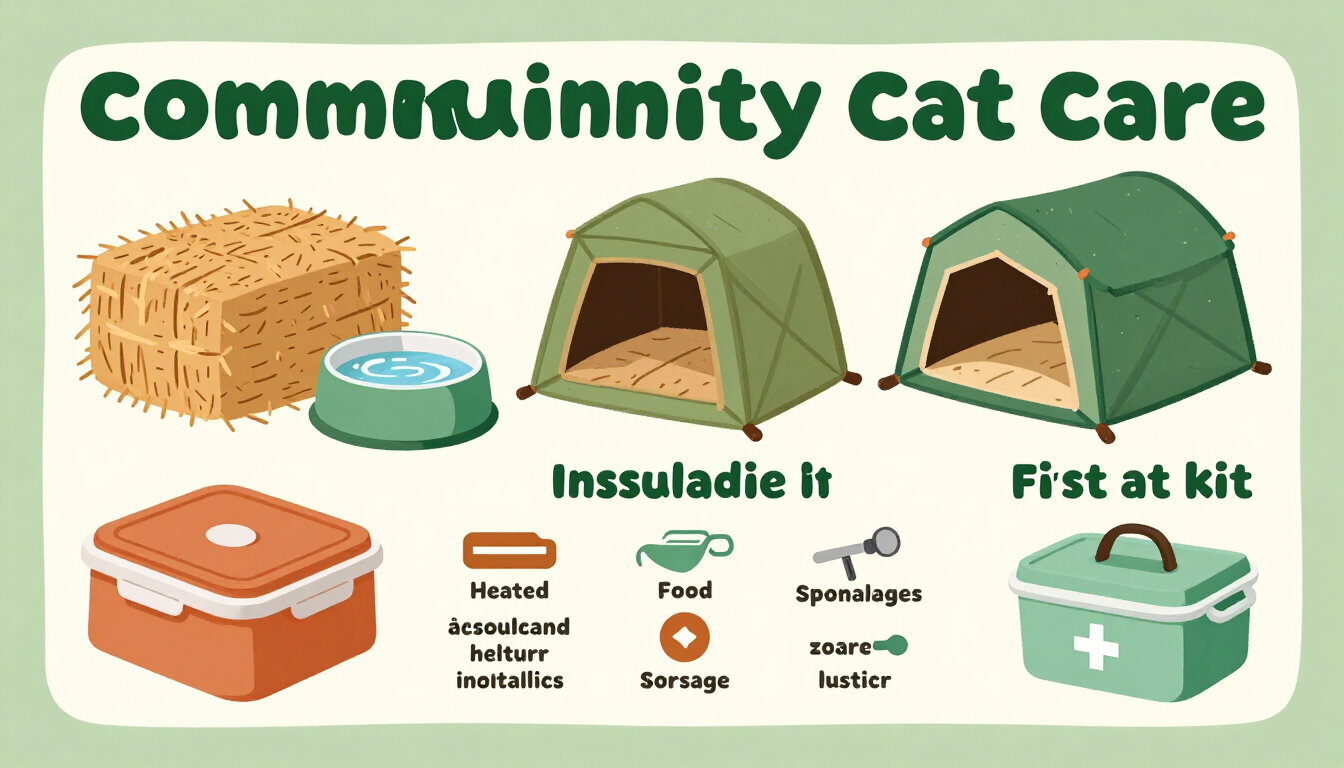
Extra straw bales, spare foam scraps, a cordless or microwavable heat pad for deep freezes, and a simple repair kit (tape, zip ties, a utility knife). When a panel warps after a storm, you want materials ready the same day.
Field tips
- Raise the floor at least two inches on cinder blocks or treated lumber.
- Refresh straw when it mats or smells damp — usually every few weeks in wet seasons.
- Never use electric space heaters meant for indoor rooms inside a plastic shelter.
- Check the roof load after heavy snow; a collapsed roof is worse than no shelter.
See the method
One external educational video we trust on this topic — embedded only because it teaches a skill covered above.
How to build a winter shelter for community cats
A clear, affordable winter shelter build used by community cat caretakers nationwide.