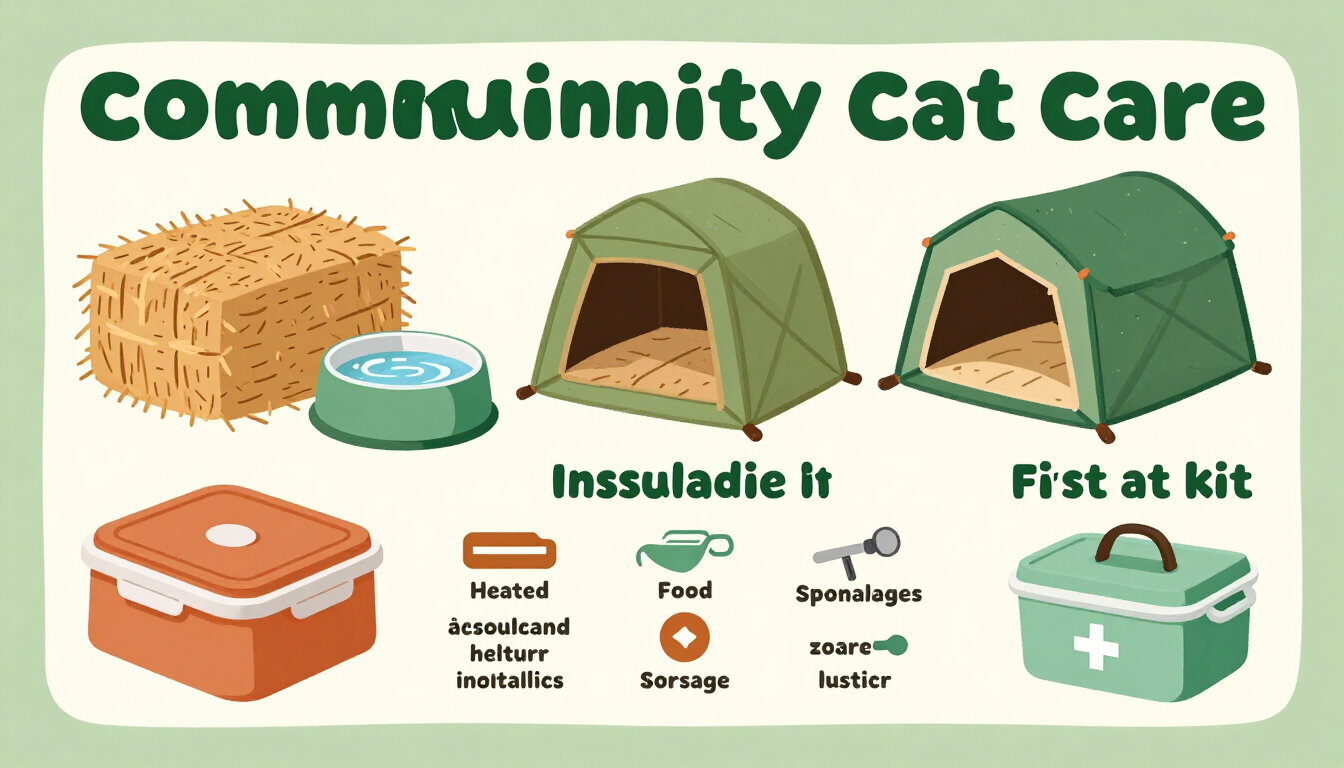
Heated Outdoor Cat Houses
When insulation is not enough, controlled heat keeps elderly or thin cats alive through deep freezes — without turning a shelter into a fire hazard.
The problem
Sub-zero nights and ice storms push body-heat-only shelters past their limit, especially for older cats or cats recovering from vet care.
What we have learned in Wurtsboro
We rely on insulated structures and, when power allows, thermostat-controlled heat sources designed for pets — never open coils or indoor space heaters crammed into plastic.
Insulation first, heat second
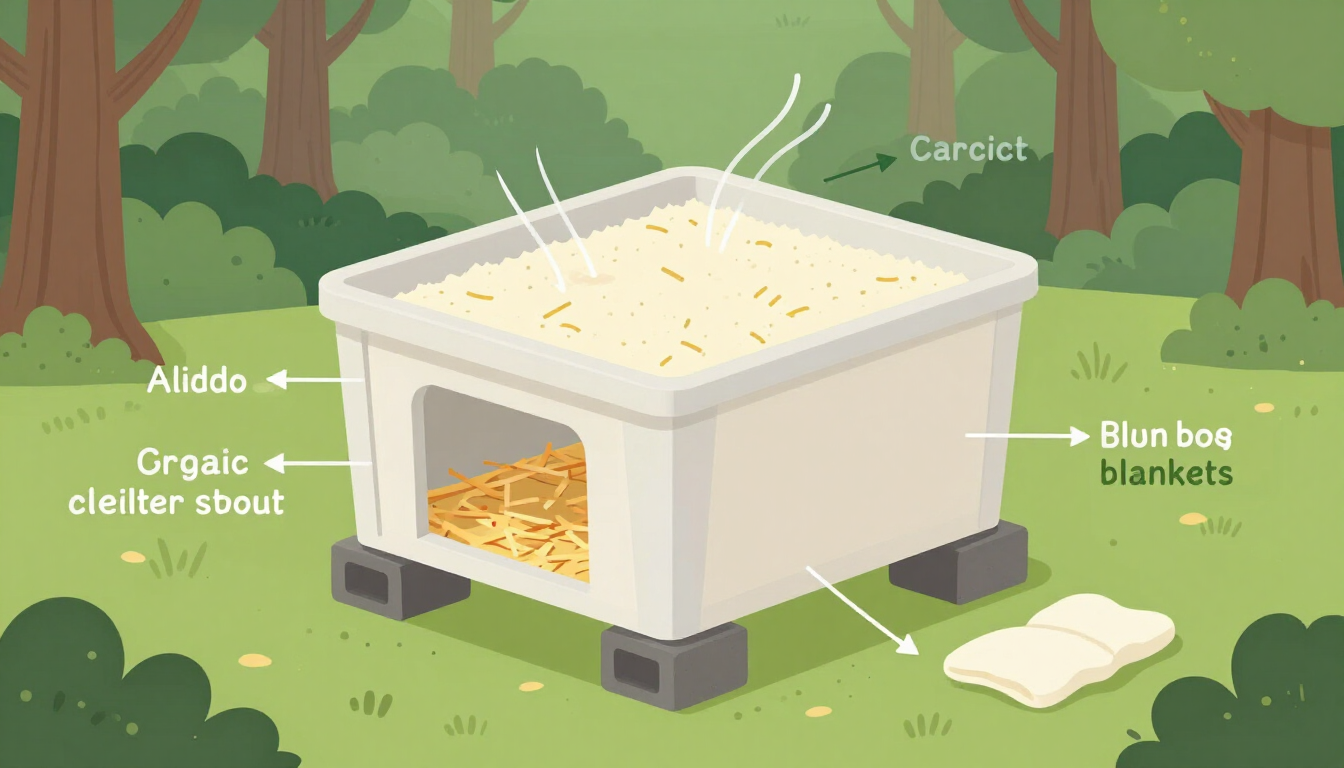
A heated pad in an uninsulated box wastes power and still feels drafty. Foam-lined walls, a raised floor, and straw should come before any electrical solution.
Thermostatic pet heat pads
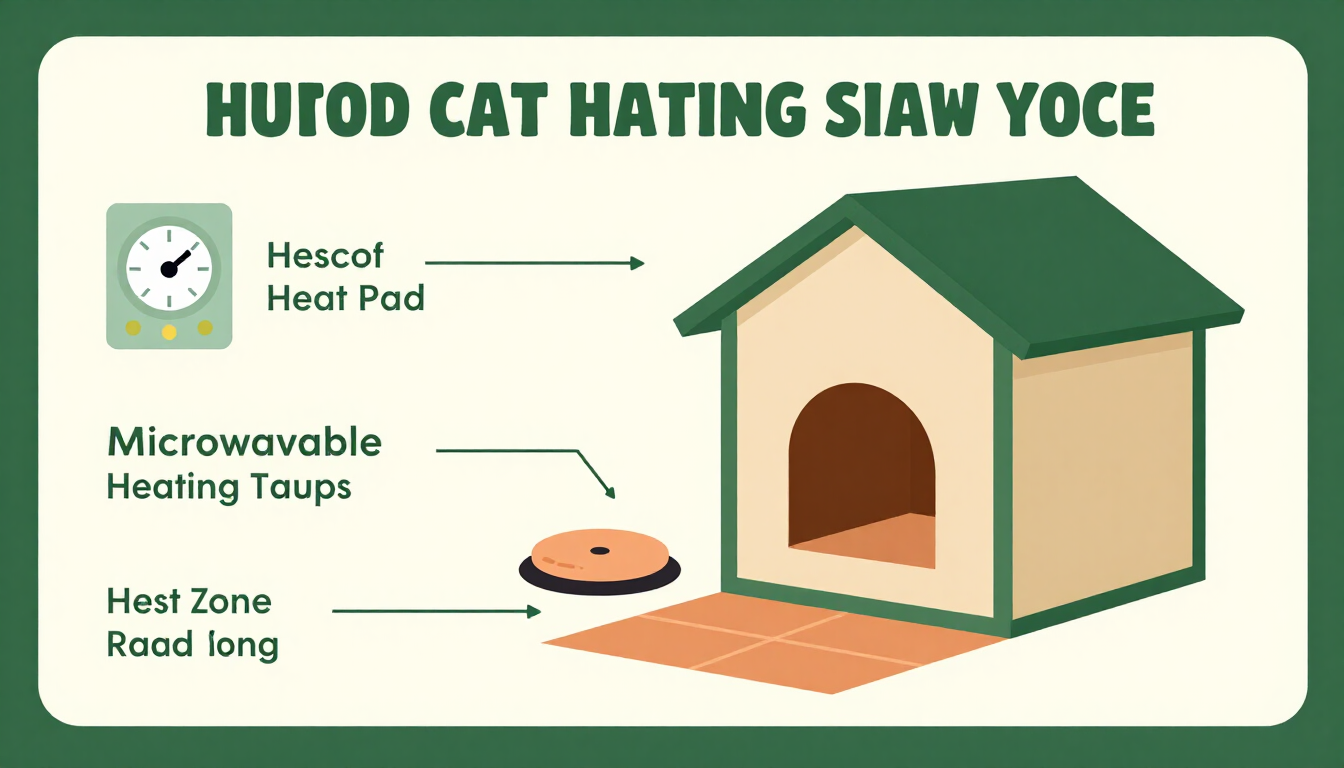
Pads made for outdoor pet use regulate surface temperature and cut risk of burns. Place them under a protective layer so cats cannot chew cords. Route cords where ice and chewing wildlife cannot reach.
Cordless options
Microwavable discs and non-electric heat packs help off-grid shelters. They need a daily routine — fine for caretakers who already visit for feeding.
Safety non-negotiables
GFCI-protected outdoor outlets, chewed-cord inspections, no extension-cord spaghetti under snow, and a backup plan if power fails for 24 hours (extra straw, smaller dens, temporary indoor recovery if appropriate).
Field tips
- Test surface temperature with your hand after 20 minutes before first use.
- Give cats an unheated zone so they can move off the pad.
- Mark cords with bright tape so snow clearing does not cut them.
- Pair heat with a heated water bowl — hydration fails before warmth does.