Outdoor Cat Heating
A field guide to keeping outdoor cats warm without unsafe shortcuts — layered from free (design) to powered (pads and water).
The problem
People jump straight to space heaters or heat lamps that melt plastic, start fires, or create hot spots cats cannot escape.
What we have learned in Wurtsboro
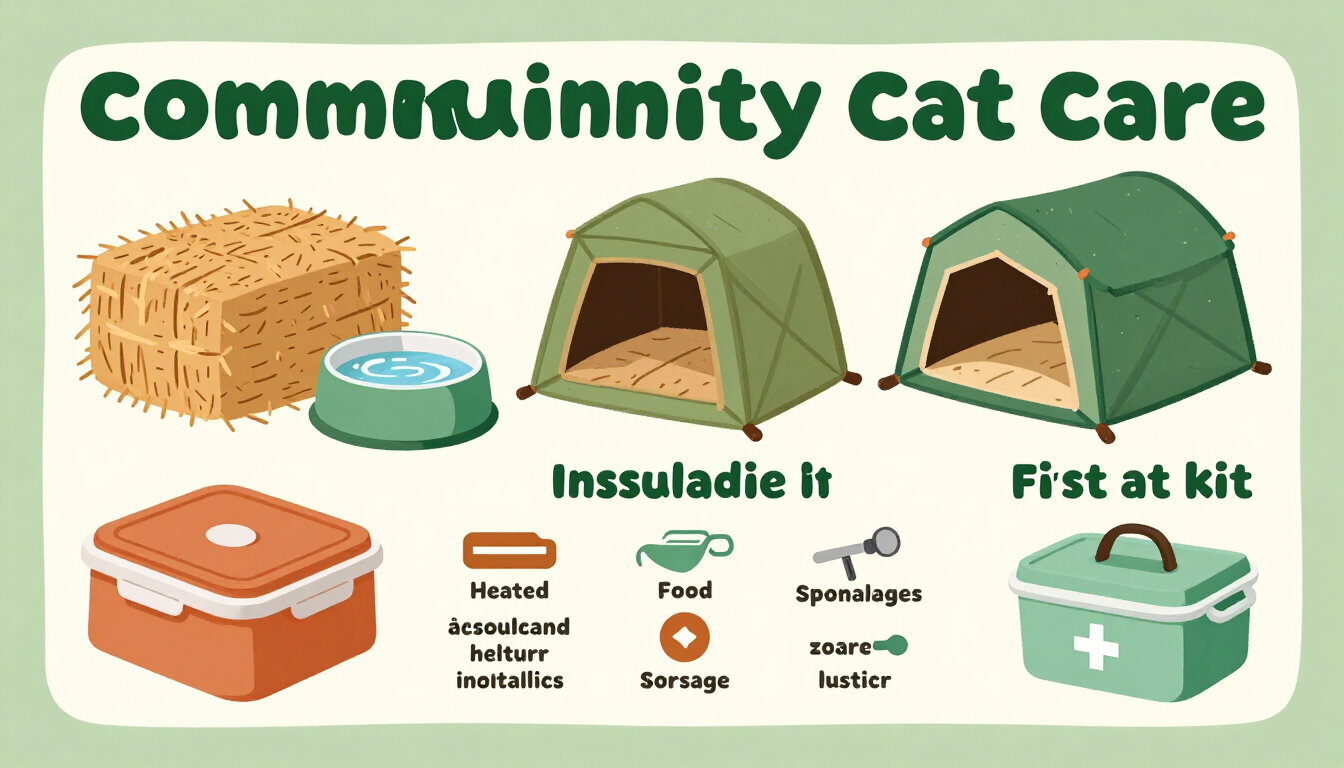
Our priority stack is always: windproof den → straw → raised floor → optional pet-safe heat → unfrozen water. The live cam has shown us how quickly the crew piles together when the design is right — heat starts with architecture.
Passive heating (free and reliable)
Shared dens, straw depth, blocked wind, and smaller interior volume. Cats are excellent heaters when the box fits the group.
Active heating (when needed)
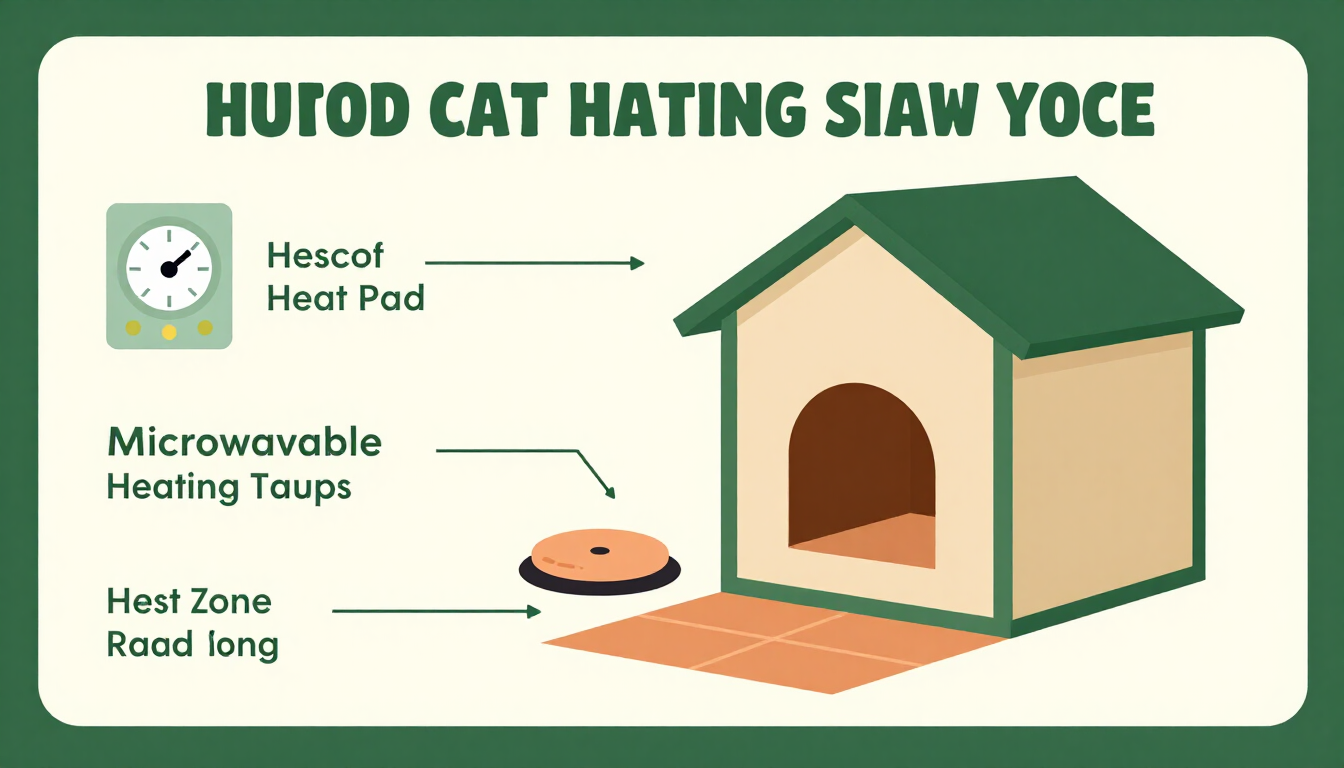
Outdoor-rated heated beds/pads with thermostats. Mount so moisture drains away from electronics. Inspect after every ice storm.
Water is part of heating
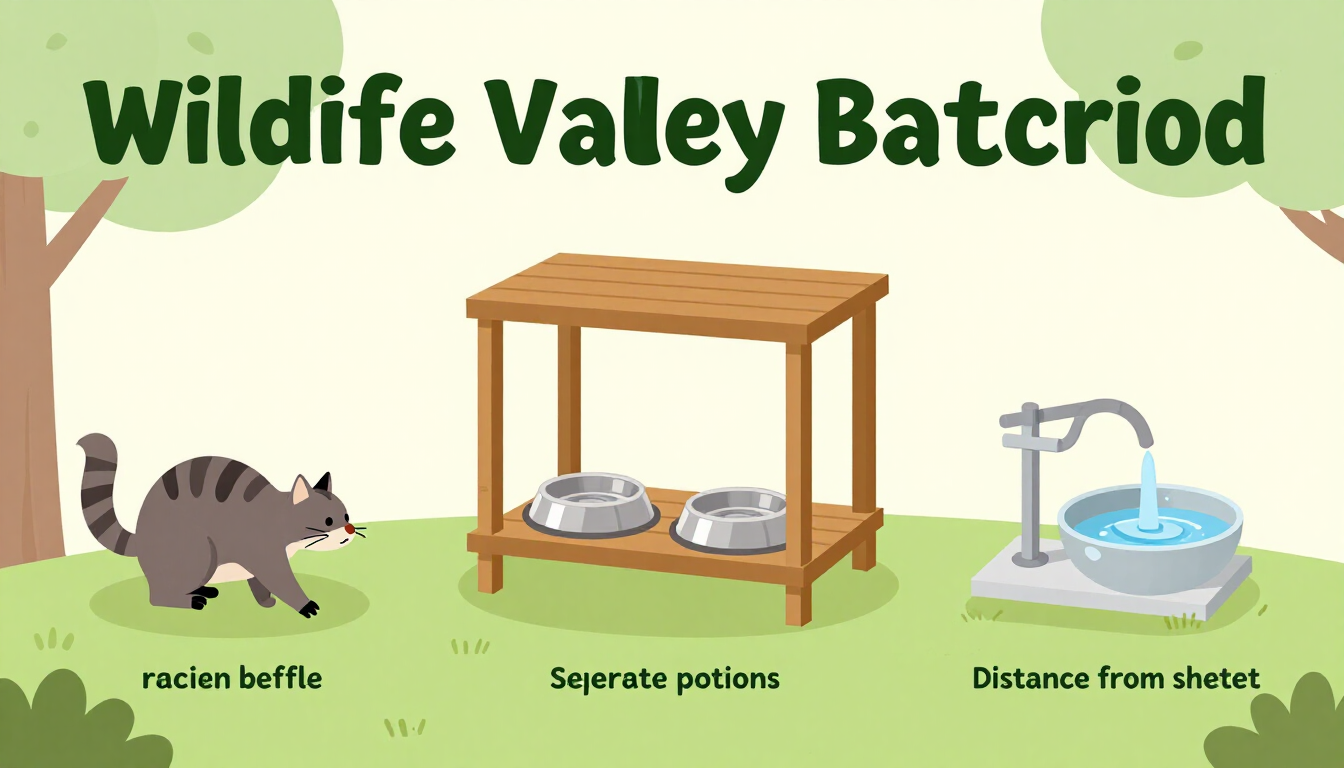
Dehydration in freezing weather is a silent emergency. Heated bowls or frequent warm-water swaps matter as much as air temperature.
What we do not recommend
Open flame, charcoal, indoor oil radiators in plastic houses, heat lamps aimed at flammable bedding, and sealed boxes with no ventilation.
Field tips
- Increase calories slightly in sustained freezes — outdoor cats burn more.
- Watch for cats who stop joining the group den; isolation can signal illness.
- Keep a written winter checklist so helpers follow the same heat routine.