Cat Rescue Supplies
A realistic kit list for people who trap, transport, foster, or care for community cats — focused on safety and stress reduction.
The problem
Rescue moments are chaotic. Missing a trap cover, carrier, or towel turns a manageable vet run into a dangerous scramble.
What we have learned in Wurtsboro
We are a small husband-and-wife care effort, not a municipal shelter. Still, every transport teaches the same lesson: prep the kit the night before, and never freestyle a trap-and-go without a cover and a quiet landing space.
Capture & transport
Humane trap or carrier, dark cover, towels, heavy gloves, and a clean hard-sided carrier for clinic intake. Labels with cat description and time of capture help clinic staff.
Health & comfort
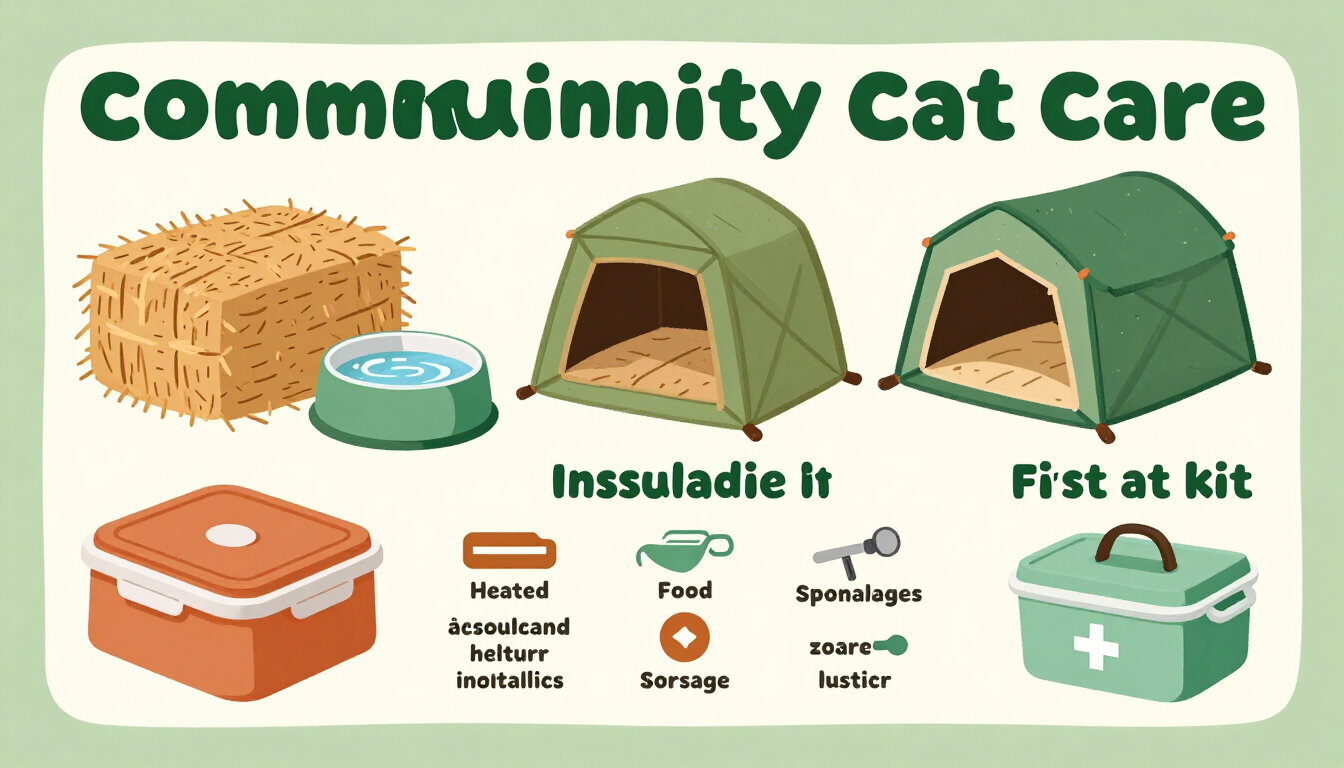
Basic first-aid (gauze, saline, vet wrap), flea comb, disposable litter box options for holds, and species-appropriate food the cat already knows when possible.
Documentation
Notebook or phone notes: photo, location, behavior, known medical flags. If you work with county partners, ask what intake info they need before you arrive.
Aftercare staging
A quiet recovery space, spare bedding, and a plan for returning ear-tipped cats to the exact colony territory they came from.
Field tips
- Pre-pack a “go bin” so you are not hunting supplies at 5 a.m.
- Keep clinic phone numbers and hours on a card inside the lid.
- Practice trap transfers at home with an empty trap before a live cat is involved.