Wildlife-Safe Outdoor Cat Setups
Cats, wildlife, and neighbors share the same woods. Layout choices decide whether your care creates conflict or quiet coexistence.
The problem
Food left out overnight trains raccoons and worse. In our region, bears and scavengers are real — not hypothetical Facebook comments.
What we have learned in Wurtsboro
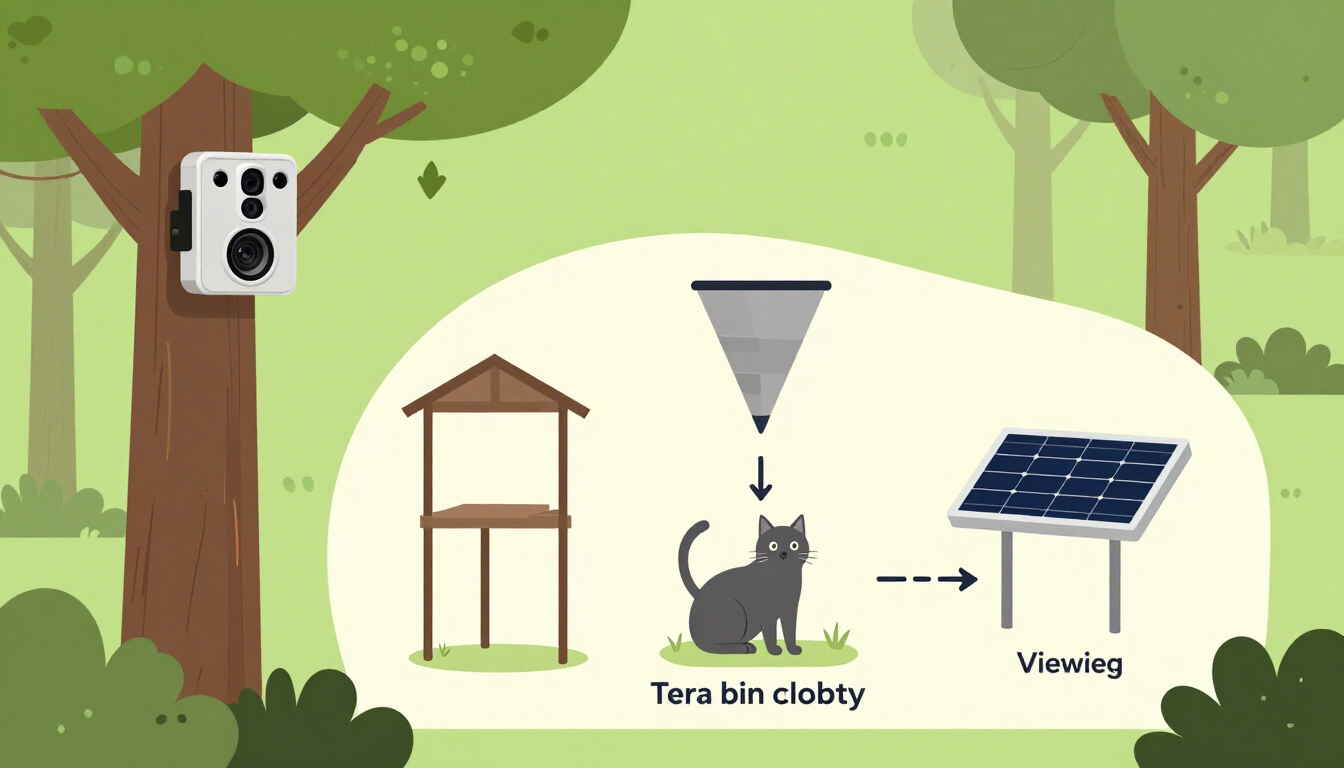
Clips from around our property have included unexpected wildlife near the yard. That is why we separate dens from dining, pick up leftovers, and treat cameras as early-warning tools — not just entertainment.
Separate sleep and eat
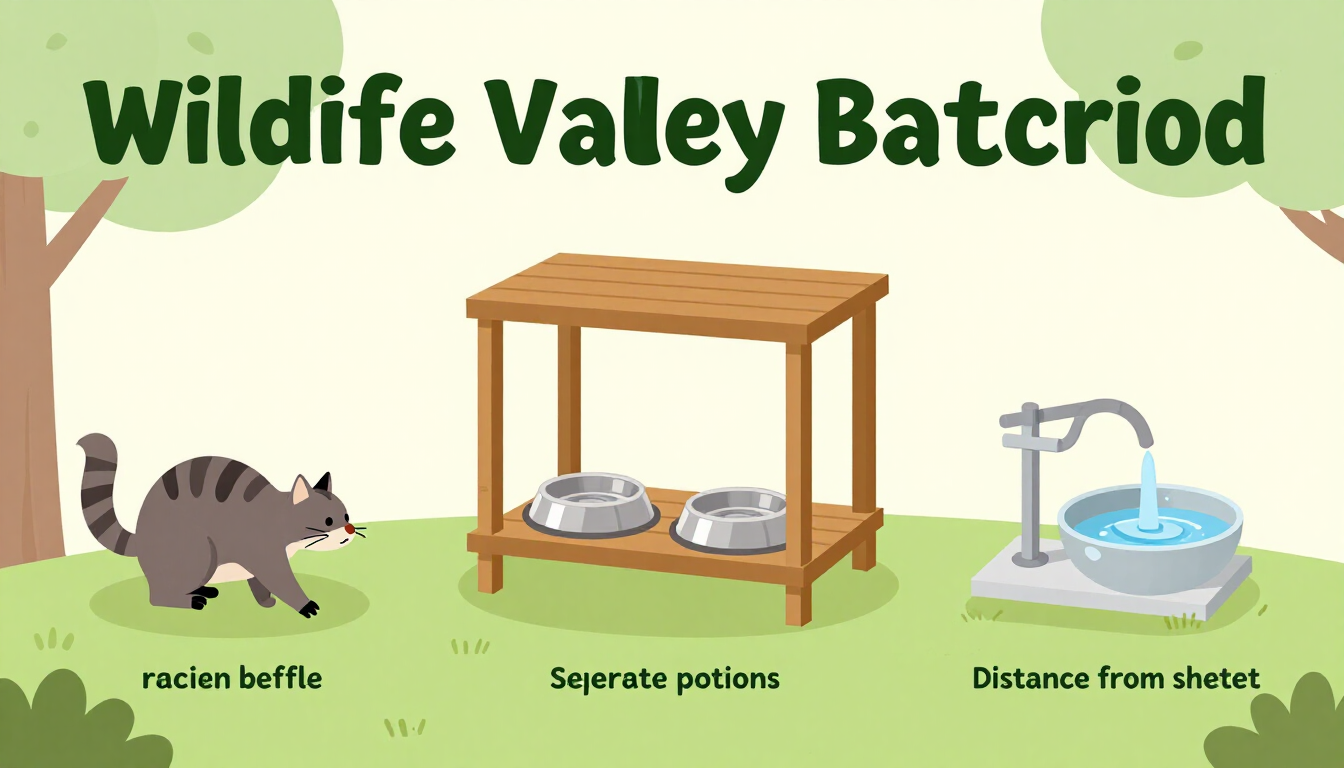
Shelters in a quiet wind-protected zone; feeding station elsewhere with clear sight lines. Wildlife following a food smell should not walk into occupied dens.
Timed presence
Stay for meals when you can, or use short feeding windows. Remove bowls after. Automatic feeders help only if portions are tight and spills are cleaned.
Physical deterrents
Raised platforms, smooth pole baffles where appropriate, and sturdy station construction. No system is perfect — consistency beats gadgets.
Respect the wild edge
Do not bait wildlife for views. Secure trash. If a large animal becomes food-conditioned, change the routine immediately and talk with local guidance resources.
Field tips
- If raccoons own midnight, move feeding earlier and remove all leftovers.
- Use cameras to confirm who visits after you leave.
- Tell neighbors your schedule so they do not “help” by free-feeding at night.
See the method
One external educational video we trust on this topic — embedded only because it teaches a skill covered above.
DIY outdoor feeding station for community cats
SNiP Now demonstrates an inexpensive covered feeding station that keeps food dry and reduces wildlife mess.
Live trust signal
See real outdoor cats on our cam